Editorial Guide

Why people with prediabetes are looking at the GlucoVanta softgel routine after an A1C wake-up call — before medication worries, needle anxiety and constant appointments take over

When a blood test suddenly comes back flagged, it can change more than a number. It can change how you feel about your own body. This guide looks at why a daily softgel routine like GlucoVanta is getting attention from people who want to feel more in control of their blood sugar routine — without letting worries about medication, needles and appointments take over their day-to-day life.

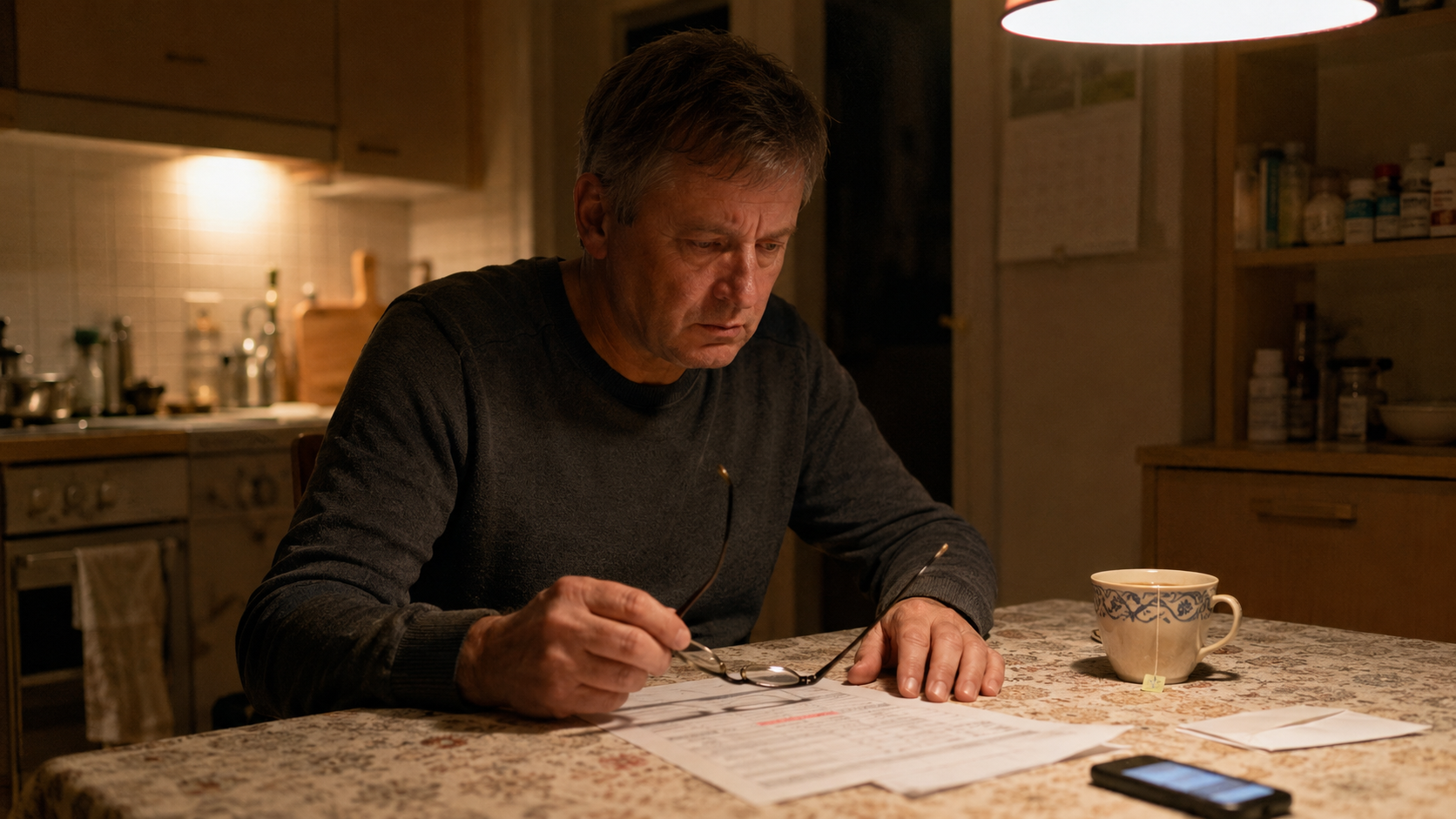
Späte Abendszene am Schreibtisch — Mensch mittleren Alters sitzt vor einem Laborbefund, Blick auf den A1C-Wert, spürbare stille Anspannung
The moment a lab result starts to feel like a verdict — and your mind races ahead.

When a lab result is suddenly flagged, blood sugar stops feeling like just a “number”.

It can feel like a verdict.

Plenty of people know this moment: you sit there looking at the result and see your A1C level, read “prediabetes” or “above the healthy range”, — and suddenly your mind starts racing.

Metformin.
Stomach worries.
Follow-up appointments.
Finger-prick tests.
Needles.
A stricter diet.
More guilt after every meal.

And the quiet question you might not say out loud:

“Is this the start of feeling like my body isn’t mine anymore?”

That’s why more people start looking for another way to approach things: feel more in control of their blood sugar routine, without letting medication worries or needle anxiety turn everyday life into one long round of appointments and monitoring.

That’s where GlucoVanta is getting attention. Not because people want another generic “wellness product”, but because they want a simple daily routine that fits around real life instead of making every day revolve around tests, appointments and numbers.
“I thought I had more time” — until an A1C result suddenly feels personal

It rarely starts with a dramatic symptom.

Often, it starts with a routine blood test.

Maybe you’ve felt more tired than usual. Maybe your waistline has been harder to manage. Maybe you’ve had afternoons where you feel shaky, irritable or suddenly hungry and want something to eat straight away.

Then the result comes back.

A1C above the healthy range.
Fasting blood glucose above the healthy range.
“We need to keep an eye on this.”
“Your results are in the prediabetes range.”
“We can talk about treatment options at your next appointment.”

To someone else, that can sound matter-of-fact.

To the person hearing it, it can feel very different.

It can sound like: From now on, every meal gets judged.

Breakfast isn’t just breakfast anymore. It feels like a decision to analyse.
A slice of bread isn’t just a slice of bread. It becomes something you worry about.
An afternoon slump isn’t simply “I’m tired”. It becomes another reason to wonder what’s happening in your body.

And that’s where the quiet worry can creep in.

Not because someone lacks willpower.
But because uncertainty about your health can be hard to carry.

When “food noise” takes over your head, willpower isn’t always the real issue

It’s not that I don’t want to make good choices. It’s that my head won’t give me a break.

Many people don’t describe it as ordinary appetite.

They describe it as constant noise in their head.

Thinking about snacks all the time.
Feeling pulled towards something sweet.
Telling yourself “just a little something” even though you’ve only just eaten.
Feeling guilty before you’ve even reached for it.

It doesn’t always feel like simple hunger.

It can feel like food is running the day.

And that can leave people frustrated — with themselves, their habits and advice that always seems to sound the same:

“Just eat less sugar.”
“Lose weight.”
“Move more.”
“Then we’ll see how things go.”

As if you haven’t already tried.

As if you haven’t already had stretches where you were disciplined.
Low carb.
Keto.
Intermittent fasting.
No soft drinks.
More water.
More steps.
More tracking.

And still, there can be a point where the numbers feel bigger than your willpower.

The private worry isn’t only: “My blood sugar is too high.”

The deeper worry can be:

“I don’t feel like myself because my body feels harder to understand.”

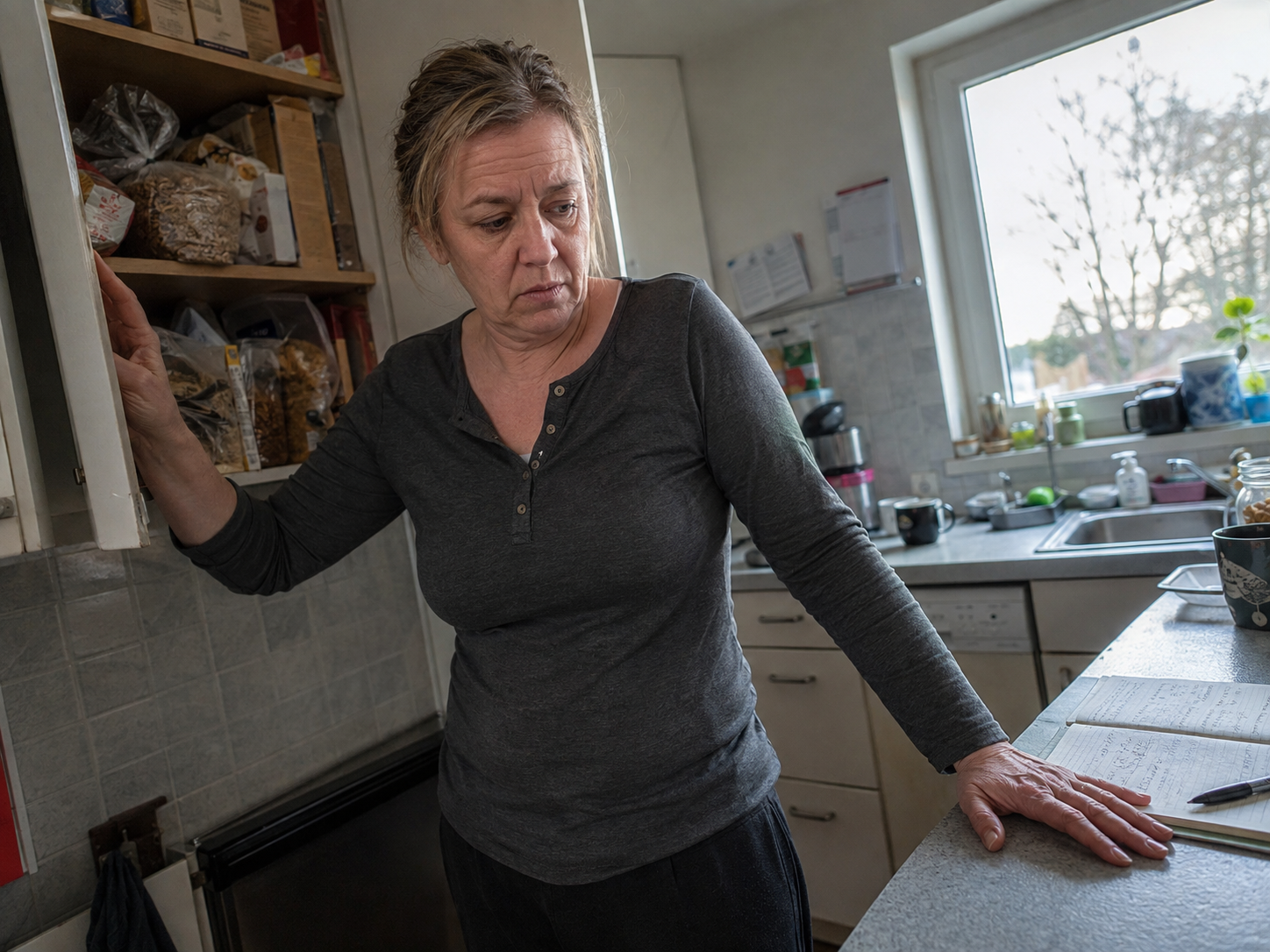
Nachmittagsszene in der Küche — offener Vorratsschrank mit Snacks, ein Moment stiller Zerrissenheit zwischen Verzicht und Verlangen
That quiet moment before opening the cupboard — for many people, it feels less like hunger and more like noise in their head.

The usual approach can feel hard when it starts to seem like the only path available

Of course, there are established medical options.

And for many people, they’re important.

But this is also where some people start feeling uneasy.

Not because they don’t take their health seriously.
But because they want to stay involved in the decisions about their own care.

Metformin can bring worries about side effects for some people, including stomach upset, nausea or diarrhoea. Those concerns are worth discussing with a health professional rather than dealing with them alone.

Injections can feel like a big step, especially if you’re nervous around needles.

Regular appointments can also make health concerns feel like they’re taking up more and more of everyday life.

And very strict diets can make normal social occasions harder — dinner out, a slice of birthday cake or a relaxed family meal without mentally calculating every bite.

Most people aren’t looking to “do nothing”.

They simply want practical steps they can take while staying informed and working with appropriate medical advice.

They want something simple. Private. Easy to understand. Easy to fit into the day.

Support your blood sugar routine without letting medication worries, needles and appointments dominate your life.

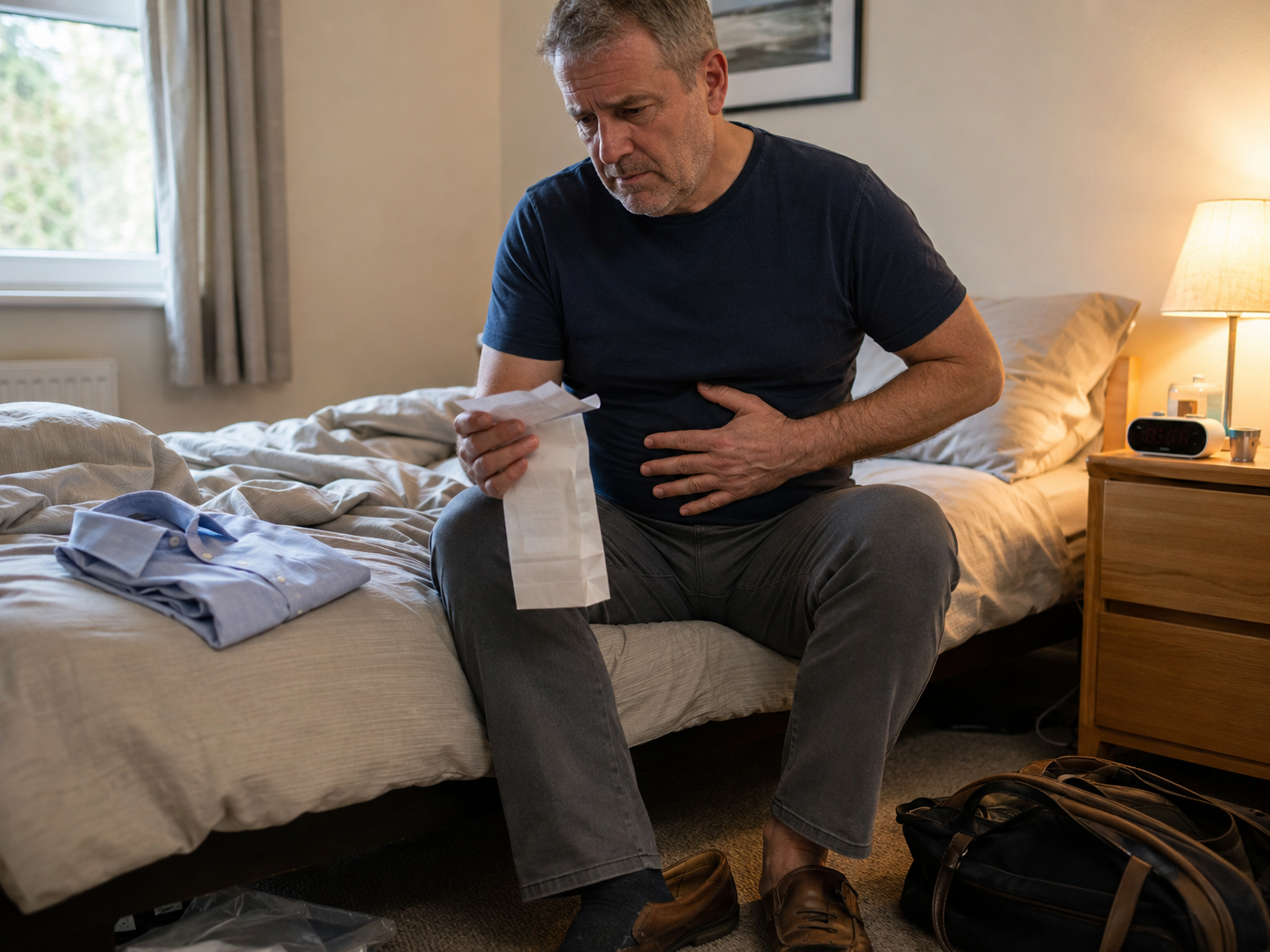
Morgenszene mit Medikamenten-Beipackzettel und Tablettenpackung auf dem Küchentisch — der leise Moment, in dem der alte medizinische Weg konkret wird
A medicine leaflet in the morning — and the question of how much everyday life might change after starting treatment.

The real challenge isn’t one result — it’s the feeling of losing control afterwards

One result outside the healthy range can be worrying enough.

What happens in your head afterwards can be even harder.

You can start watching your own body like it’s something to be suspicious of.

Was that meal the wrong choice?
Why am I tired again?
Why am I craving food again?
Why does this seem easier for other people?
Why does my stomach feel so hard to manage?
Why am I nervous about the next blood test?

Suddenly, you’re not just getting on with your day.

You feel like you’re managing a problem.

You plan meals.
You avoid conversations.
You put off appointments.
You read forums late at night.
You search for other people’s experiences with metformin.
You search for “how to support healthy A1C naturally”.
You search for “berberine and blood sugar”.
You search for “metformin alternatives and stomach side effects”.

Not because you’re being careless.

Because you’re worried.

And underneath it all is the hope:

“Maybe I can still take practical steps and feel more in control of what happens next.”

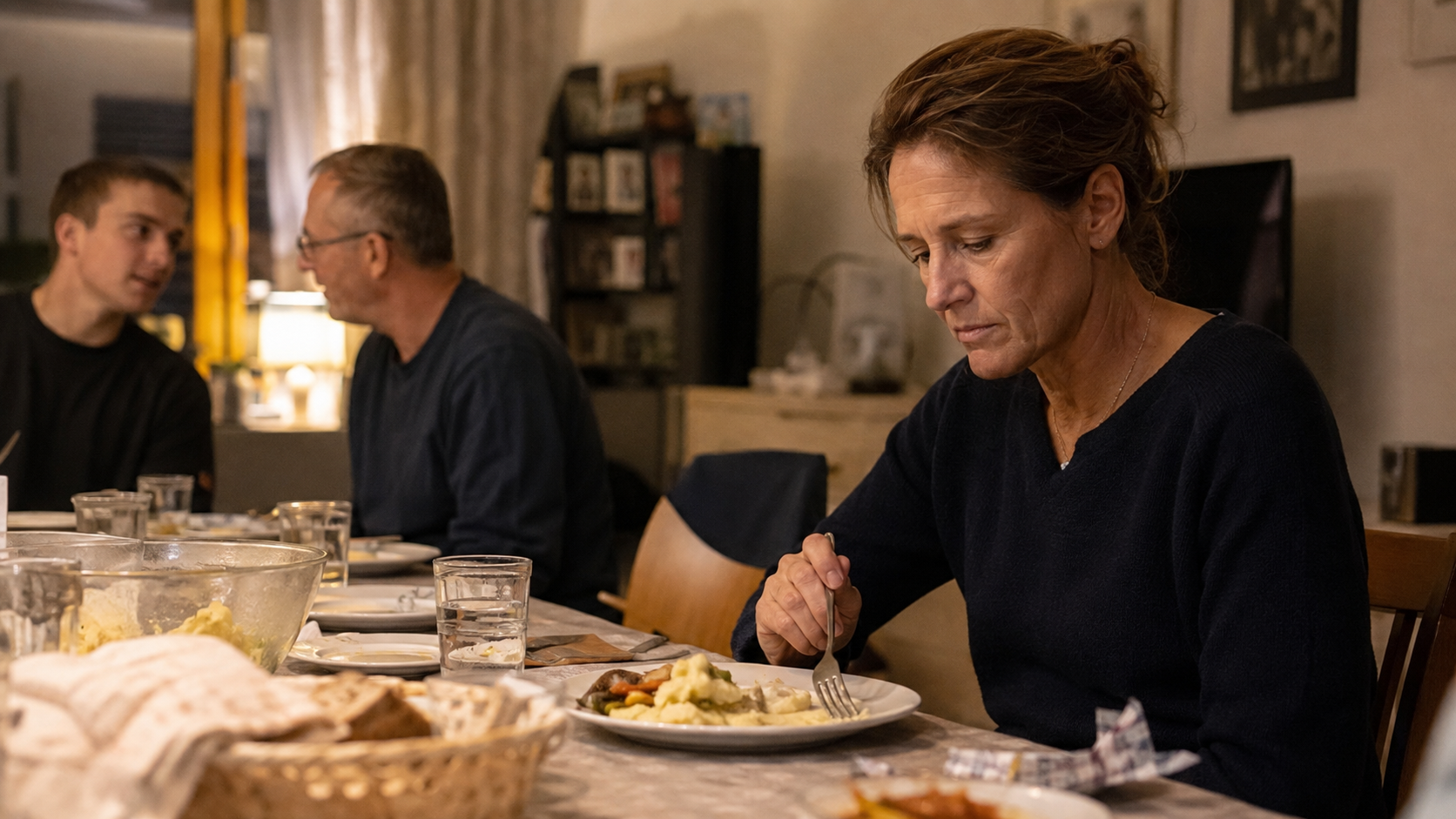
Familienabendessen — jemand sitzt am Tisch, zieht sich innerlich zurück, während die anderen essen; sichtbare Distanz aus Angst vor dem eigenen Blutzucker
The moment a family meal stops feeling like a family meal — and starts feeling like a quiet calculation.

What many people learn after trying a few things: “natural” on its own isn’t enough

The issue with many blood sugar products isn’t that people don’t want natural options.

Plenty of people do.

But they’ve become sceptical.

Too many products promise too much.
Too many websites feel like a sales trick.
Too many orders end up tied to subscriptions people didn’t expect.
Too many capsules feel like little more than cheap cinnamon powder in a bottle.

If you’re already worried about blood sugar, medication or needles, you don’t have much patience for something that only sounds good.

People want more than vague wellness language.

They want a routine that feels practical enough to help them move forward:

That’s why GlucoVanta isn’t presented around one headline ingredient.

The focus is the combination: a daily softgel routine containing a range of familiar ingredients used in blood sugar and metabolic wellness products, designed for people who want a simple step they can fit into everyday life alongside appropriate health advice.

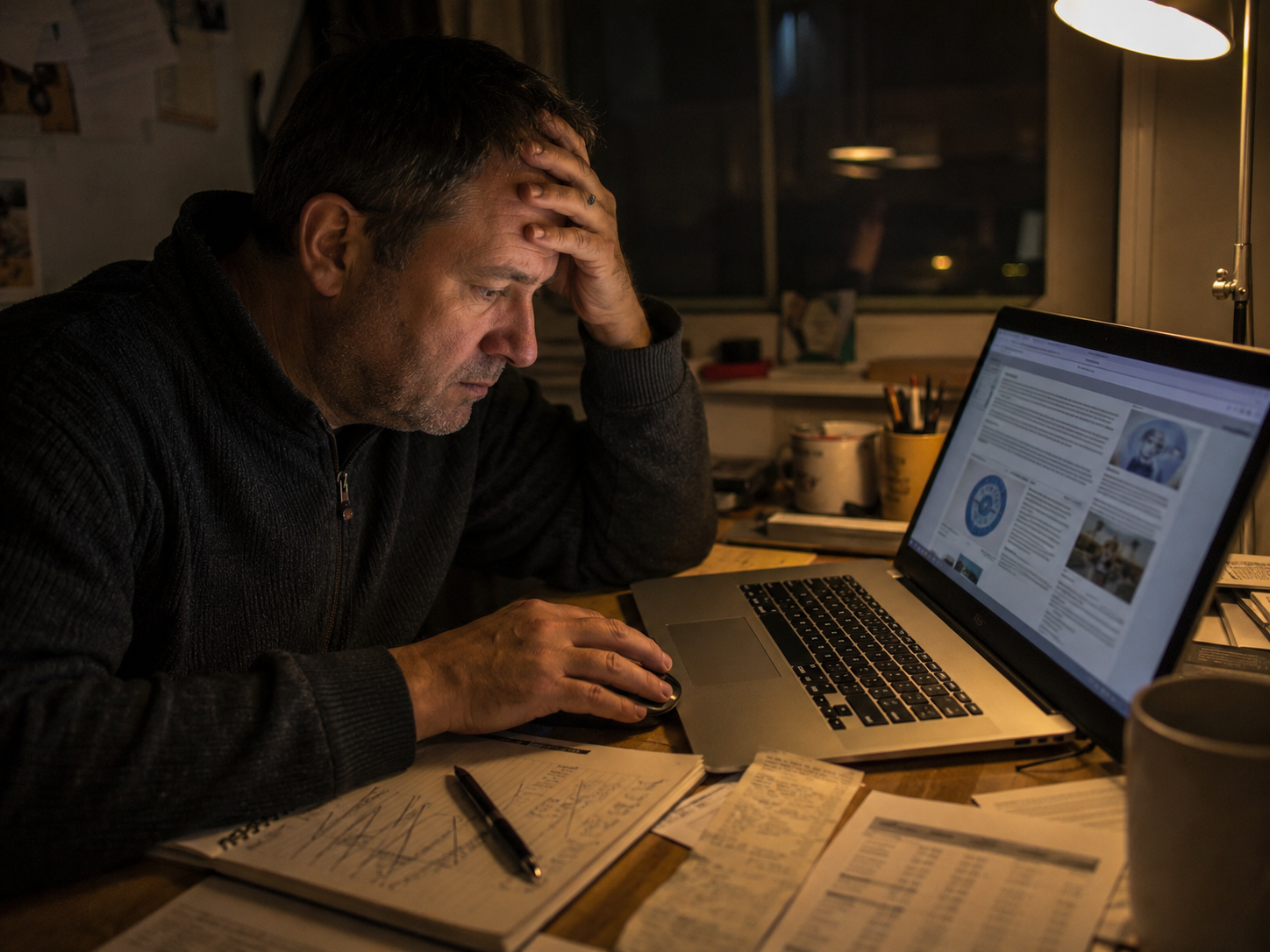
Späte Abendszene am Schreibtisch mit Laptop — Recherche über Blutzucker, Berberin und Metformin-Alternativen, gedämpftes Licht, spürbare Anspannung
The late-night search for another approach — often quiet, often sceptical, often important.

Why the GlucoVanta softgel routine is getting attention from people who want a simpler daily approach

GlucoVanta isn’t positioned as another product for someone who simply wants to “live a bit healthier”.

It speaks to people who’ve reached a more specific point:

They don’t want to keep ignoring the issue.
They don’t want to pretend the next blood result doesn’t matter.
They want to understand the options available to them.
They don’t want needle anxiety sitting in the back of their mind.
They don’t want every meal to come with the thought: “What will this do to my numbers?”

GlucoVanta uses a softgel format with more than 20 active ingredients, including familiar plant-based ingredients often seen in blood sugar and metabolic wellness products, such as:

The idea is simple enough to remember:

Not one “miracle ingredient”.
Not relying on willpower alone.
Not making your whole life revolve around prescriptions and appointments.

Just a straightforward daily softgel routine for people who want to take a more organised approach to their blood sugar habits.

Support your blood sugar routine without treating medication as the only part of the conversation.

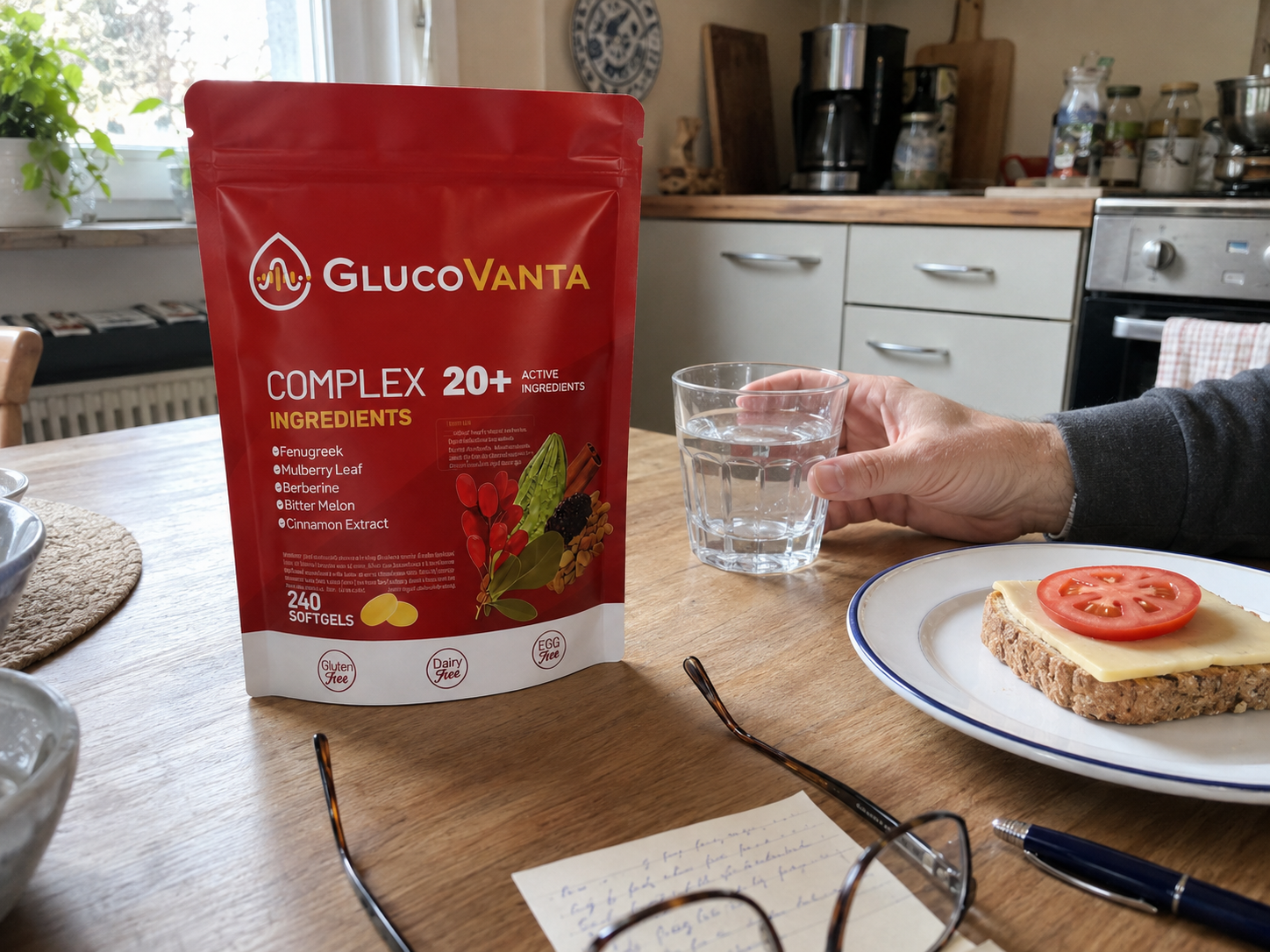
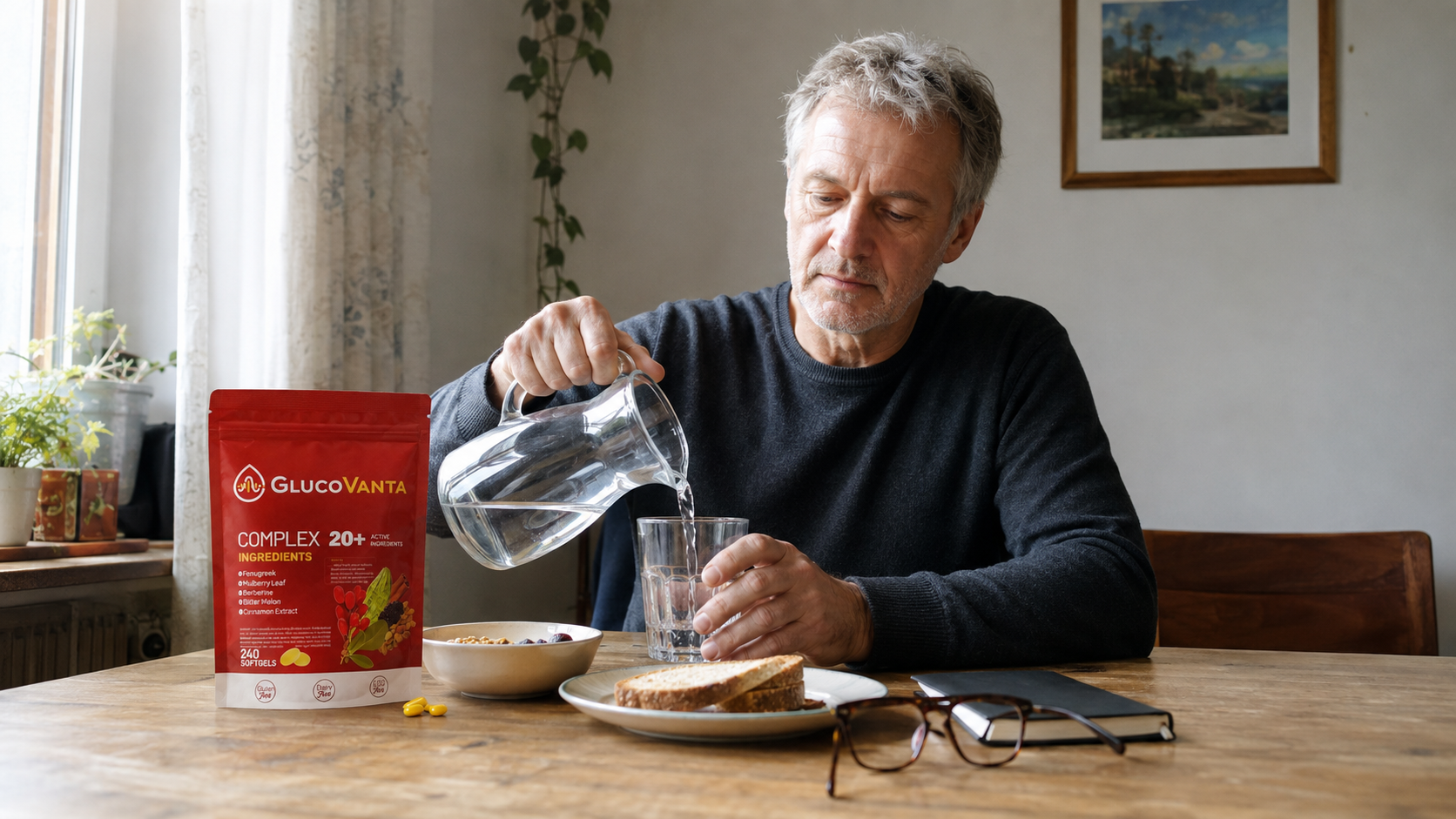
Morgen in der Küche — der GlucoVanta-Beutel neben einem Glas Wasser, die tägliche Softgel-Route als ruhiger, privater erster Schritt
A daily softgel routine as a private first step — simple, discreet and easy to fit into the day.

“I don’t want to build my whole life around numbers” — the things many people only say anonymously

I want meals to feel normal again. I don’t want to spend all day wondering what every bite means for my numbers.

The same kinds of comments keep appearing in audience research.

Not polished reviews.
Not advertising lines.
Just the raw words of people who feel uncertain about what’s happening in their body.

Audience language patterns · Compiled by the editorial team

The following statements are not customer reviews or testimonials. They are recurring themes from audience research, anonymised and condensed by topic.

I’m worried about my next A1C result.
I don’t want medication to feel like my only option.
I can’t simply use willpower to switch these cravings off.
I don’t want my day to be nothing but testing, meal planning and feeling guilty.
I don’t want to keep putting this off.

These comments show what people are really dealing with: not just “blood sugar support”, but the worry that comes with feeling as though something in your body is changing.

That’s the real concern.

Not just “blood sugar support”.

It’s people searching late at night because they’re worried about where their health may be heading.

People who are still getting on with life, but quietly asking themselves:

If I don’t make changes now, what happens next?
More appointments?
More pressure?
More medication discussions?
Needles?
Stricter rules?
Less freedom?

GlucoVanta fits into that in-between space:

After the wake-up call. Before feeling overwhelmed. Between “I need to do something” and “I don’t want health worries, medication and numbers to take over my life”.

When the old plan only adds pressure, a simpler daily routine can feel easier to stick with

People don’t struggle because they don’t care.

Sometimes the plan itself becomes exhausting.

A diet works for two weeks — then normal life gets in the way.
Medication starts — then concerns about side effects come up.
You plan to move more — then work, family, stress and tiredness take over.
Self-control feels easy in the morning — then cravings hit in the afternoon.

After a while, every setback can feel like proof that you’re the problem.

That’s not a useful way to look at it.

When cravings, energy dips and blood sugar worries are running the day, being harder on yourself rarely makes the situation easier.

You need an approach that doesn’t feel like punishment.

Something that fits into your day.
Something you can start privately.
Something that doesn’t begin with fear.
Something that still feels like normal everyday life.

That’s part of why a softgel routine like GlucoVanta can feel appealing.

It makes taking a simple first step feel more manageable.

Not someday.
Not after another worrying result.
Not only when everything feels overwhelming.

But as part of what you choose to do now.

The click isn’t about chasing a miracle — it’s about taking an active role in your routine

There comes a point where more information isn’t the only thing you need.

You already know blood sugar outside the healthy range deserves attention.
You already know A1C matters.
You already know food choices play a role.
You already know regular follow-up with your health professional matters.

The real question is:

What practical steps do you want to take from here?

Before the next appointment feels more stressful.
Before the next result adds more worry.
Before concerns about treatment options start taking over your thinking.
Before every meal turns into a mental calculation.
Before food noise, guilt and blood sugar worry start feeling normal.

Or would you rather look at why people in this situation are exploring a simple daily routine alongside appropriate health advice?

GlucoVanta is aimed at the moment when you say:

“I want to take a more active role before this starts taking over my day.”

Why “we’ll keep an eye on it” can sound reassuring — while still leaving you worried

“We’ll keep an eye on it.”

It sounds calm.

But for some people, it means weeks or months with a quiet alarm going off in the back of their mind.

Every meal feels like a test.
Every craving feels suspicious.
Every tired afternoon feels like a sign.
Every upcoming blood test sits in the calendar like a judgement.

And the hard part isn’t only the number.

It’s slowly getting used to the worry.

You accept that food feels stressful.
You accept feeling out of control in the afternoon.
You accept that your body feels unpredictable.
You start assuming medication will probably become part of the conversation.

And later, some people find themselves asking:

“Why didn’t I take practical steps earlier?”

Not in a panic.
Not blindly.
Not through a subscription trap or an empty promise.

But through an approach that feels clear, practical and manageable.

The GlucoVanta routine: simple softgels as one part of a broader approach to everyday wellbeing

GlucoVanta is designed for people who want their daily wellness routine to feel simple rather than stressful.

The softgels are easy to take, discreet and built around a combination of plant-based ingredients commonly seen in blood sugar and metabolic wellness products.

The point isn’t to put another bottle in the cupboard.

It’s to give yourself one simple daily step:

That’s the appeal:

taking a more active role in your blood sugar routine while staying informed about the medical care that’s right for you.

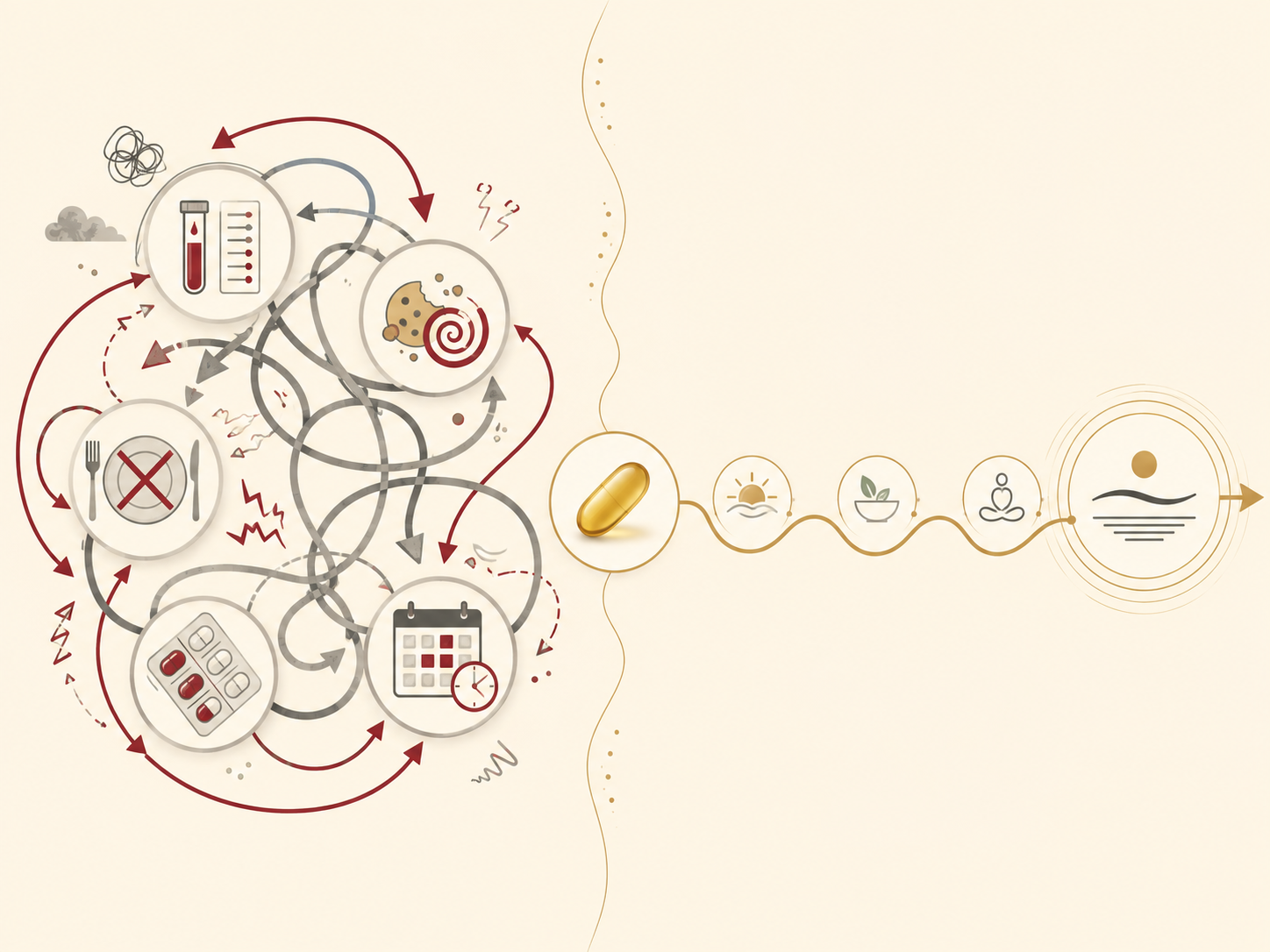
Redaktionelle Grafik — der alte Kreislauf aus Blutzucker-Angst, Termin und Medikation im Vergleich zur täglichen Softgel-Route als klarer erster Schritt
Two approaches side by side — feeling stuck in the old cycle, or adding a simple daily softgel routine as one practical step.

Two futures can look almost identical — until the next blood test

From the outside, tomorrow might look just like today.

You get up.
You eat.
You work.
You get on with things.
You try not to think about it too much.

But internally, there can be two very different directions.

Direction 1 — Feeling stuck

Nothing changes

The next craving comes.
The next energy dip comes.
The next appointment gets closer.

The next A1C result feels more worrying, and the same concerns keep coming back: medication, monitoring, pressure and possibly more treatment decisions later.

Direction 2 — A simple daily routine

Take one practical step today

You look at why GlucoVanta is getting attention from people after an A1C wake-up call. You review the softgel routine.

You stop feeling like all you can do is wait for the next result. You take a more active role in the everyday habits around your blood sugar.

Not with shame.
Not with panic.
Not by telling yourself there’s something wrong with you.

But with the thought:

“I’m going to stay involved in the decisions about my health.”

Ruhiger Morgen am Frühstückstisch — der GlucoVanta-Beutel neben Kaffee und Zeitung, die tägliche Softgel-Route als Teil einer wieder in eigene Hand genommenen Routine
A morning that doesn’t start with fear about numbers — just one simple step in your daily routine.
Take a more active role in my blood sugar routine

Important information: Always read the label and follow the directions for use. If symptoms persist, talk to your health professional. GlucoVanta is not a substitute for medical diagnosis, treatment or prescribed medicine. If you have diabetes, take blood-glucose-lowering medicine, are pregnant or breastfeeding, or have any health concerns, speak with your health professional before use. Individual experiences may vary.

Editorial Guide · Metabolism Report

© 2026 Metabolism Report · All rights reserved.